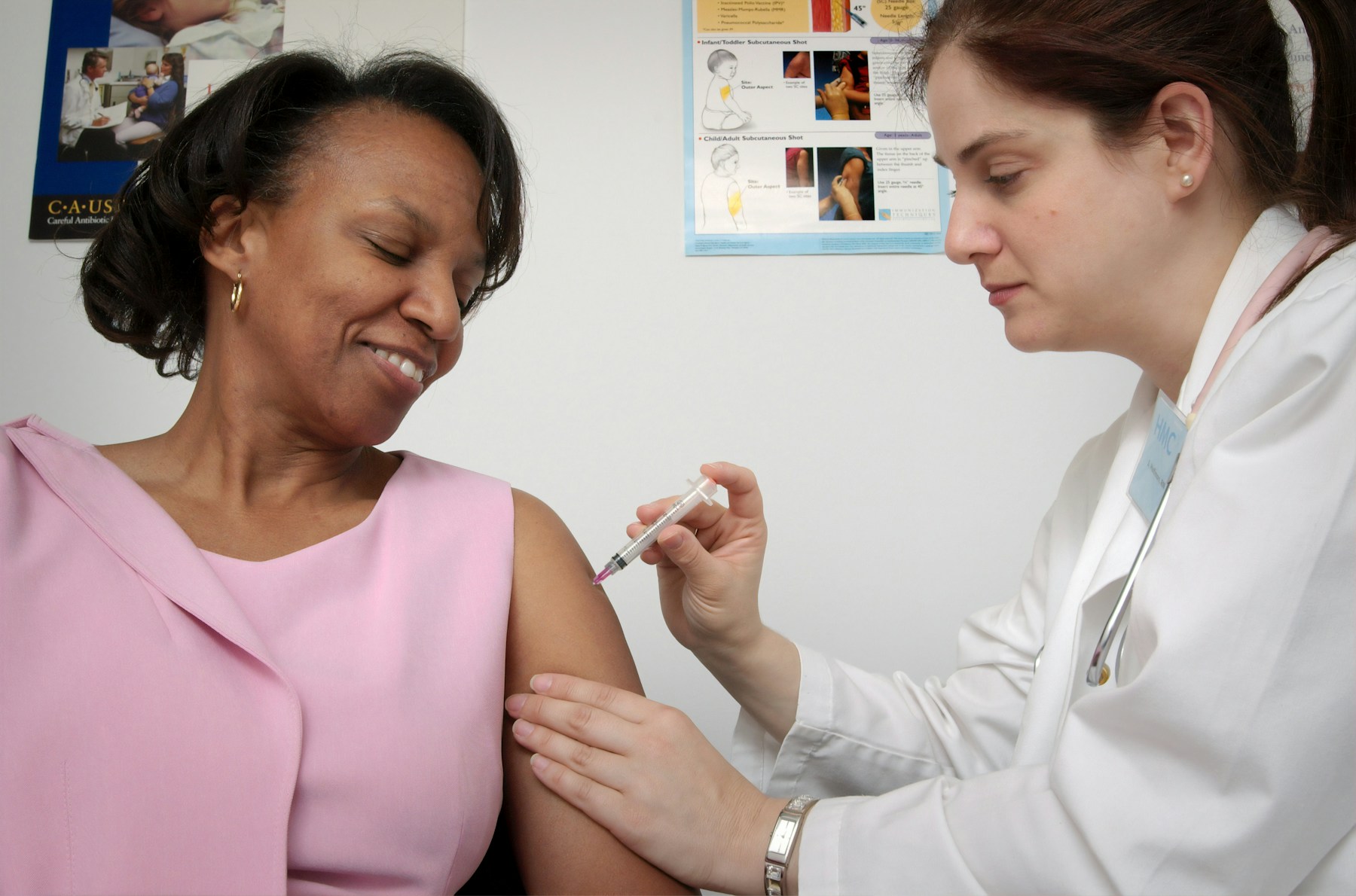
The shingles vaccine is best known for protecting older adults against a painful rash and long-lasting nerve pain. New research suggests that it may also help lower the risk of heart disease, heart failure and stroke.
The study, published in Nature Medicine, analysed the health records of 72,920 people aged 60 and over in the United States. Researchers compared 36,460 people who predominantly received the newer Shingrix vaccine in 2018 with the same number of matched participants who mostly received the older Zostavax vaccine in 2017.
People in the Shingrix group experienced about 9% less cardiovascular disease burden over seven years. During the first three and a half years, the vaccine was associated with an approximately 12% lower risk of a cardiovascular diagnosis, although the association weakened during the second half of follow-up.
The study examined ischaemic heart disease, heart failure and ischaemic stroke. The recombinant vaccine was associated with a 10% reduction in the burden of ischaemic heart disease and a 12% reduction in heart failure.
How Could a Vaccine Help Protect the Heart?
Shingles occurs when the varicella-zoster virus, which causes chickenpox, becomes active again after remaining dormant in the body. The infection can trigger inflammation and may increase the risk of heart and blood vessel problems.
Shingrix is a two-dose recombinant vaccine. It may help cardiovascular health by preventing shingles more effectively. Another possibility is that its immune-boosting ingredient influences immune cells and reduces certain inflammatory responses.
The mechanism remains uncertain. The study was observational, so it cannot prove that the vaccine directly caused the reduction in cardiovascular risk. Randomised clinical trials are needed to confirm the finding.
University Majors Related to This Research
Vaccine development and public health involve far more than doctors alone. Laboratory scientists, healthcare professionals, data specialists and policymakers all contribute. Prospective students may consider the following majors.
- Medicine. For students who want to understand disease, care for patients or specialise in cardiology, neurology, internal medicine or geriatric medicine.
- Pharmacy. Students learn how medicines and vaccines are designed, produced, tested and used safely.
- Biotechnology. Closely connected to recombinant vaccines, this field covers genetics, molecular biology and cell culture.
- Biology or Microbiology. Suitable for students who want to investigate viruses, immune systems and interactions between microorganisms and the human body.
- Medical Laboratory Science. Students develop laboratory skills used in diagnosis, immune-response testing and clinical research.
- Public Health. This major covers epidemiology, disease prevention, vaccination programmes and health policy.
- Statistics or Data Science. Research using tens of thousands of health records depends on biostatisticians and health data analysts.
- Biomedical Engineering. This combines engineering, biology and medicine to develop healthcare technologies.
- Nursing. Nurses help deliver vaccines, educate patients, monitor side effects and support people with chronic illnesses.
Choosing a Major Based on Your Interests
Students who enjoy working directly with patients may be drawn to Medicine, Nursing or Pharmacy. Those who prefer laboratory work could consider Biotechnology, Biology, Microbiology or Medical Laboratory Science.
Students who enjoy mathematics and computing may choose Statistics, Bioinformatics or Data Science before specialising in health applications. Those interested in designing disease-prevention programmes for communities may find Public Health especially suitable.
The Shingrix findings show that one health challenge can be explored from many perspectives. Students do not have to become doctors to contribute to vaccine development and disease prevention. They can choose a degree matching their strengths in patient care, laboratory research, data analysis, technology or health policy.
Read the research in Nature Medicine and the report by The Guardian.
Featured image: CDC/Unsplash.