Biochemistry sits at the intersection of biology and chemistry. It explores life at the molecular level—from the way proteins function and genes are expressed to the changes that cause healthy cells to develop disease. This makes studying Biochemistry in the UK an attractive option for students interested in pharmaceuticals, biotechnology, health research, food science, environmental science, or biological data.
One programme worth considering is the BSc (Hons) Biochemistry at the University of Essex. It combines core biochemical knowledge with laboratory experience, bioinformatics, and an individual research project. Below, we explore the course, potential career paths, and the reasons Essex could be a strong starting point for your future as a biochemist.
What Is Biochemistry?
Biochemistry examines the molecules and chemical reactions that enable living organisms to function. You study proteins, enzymes, DNA, cell membranes, metabolism, and cellular communication. While biology may examine life at the level of organisms or ecosystems, biochemistry focuses on the mechanisms taking place within cells and molecules.
The subject may suit you if you enjoy Biology and Chemistry, approach experiments carefully, feel comfortable working with data, and want to understand the molecular causes of disease. Mathematics and communication are also valuable because scientists need to analyse results and explain their findings accurately.
Why Study Biochemistry in the UK?
The UK has a broad life sciences ecosystem connecting universities, hospitals, research institutes, and pharmaceutical and biotechnology companies. Undergraduate learning commonly combines lectures, practical classes, assignments, teamwork, and independent research. A UK bachelor's degree is often completed in three years, while a course that includes a placement or study-abroad year may take four.
For international students, this experience develops more than academic knowledge. You can practise writing scientific reports, handling data, presenting research, working safely in a laboratory, and collaborating with people from different backgrounds.
About the University of Essex BSc Biochemistry
According to the University's official course page, the BSc (Hons) Biochemistry is a three-year, full-time programme at Colchester Campus, with the option to extend it through a placement year or year abroad. The degree is designed to provide a strong understanding of biochemistry and biomolecules, including computational and bioinformatics approaches.
During the earlier stage of the course, students cover subjects such as general and organic chemistry, biochemistry of macromolecules, molecular cell biology, microbiology, genetics, and quantitative methods. This foundation prepares them for more specialised study.
Later areas include molecular biology, protein bioinformatics, genome science, cell biology, metals in biotechnology, and proteins and macromolecular assemblies. In the final year, students explore structural and molecular enzymology, biomembranes and bioenergetics, and complete an individual research project. Modules may change, so applicants should always review the latest course structure on the University of Essex website.
Practical Experience and Specialist Facilities
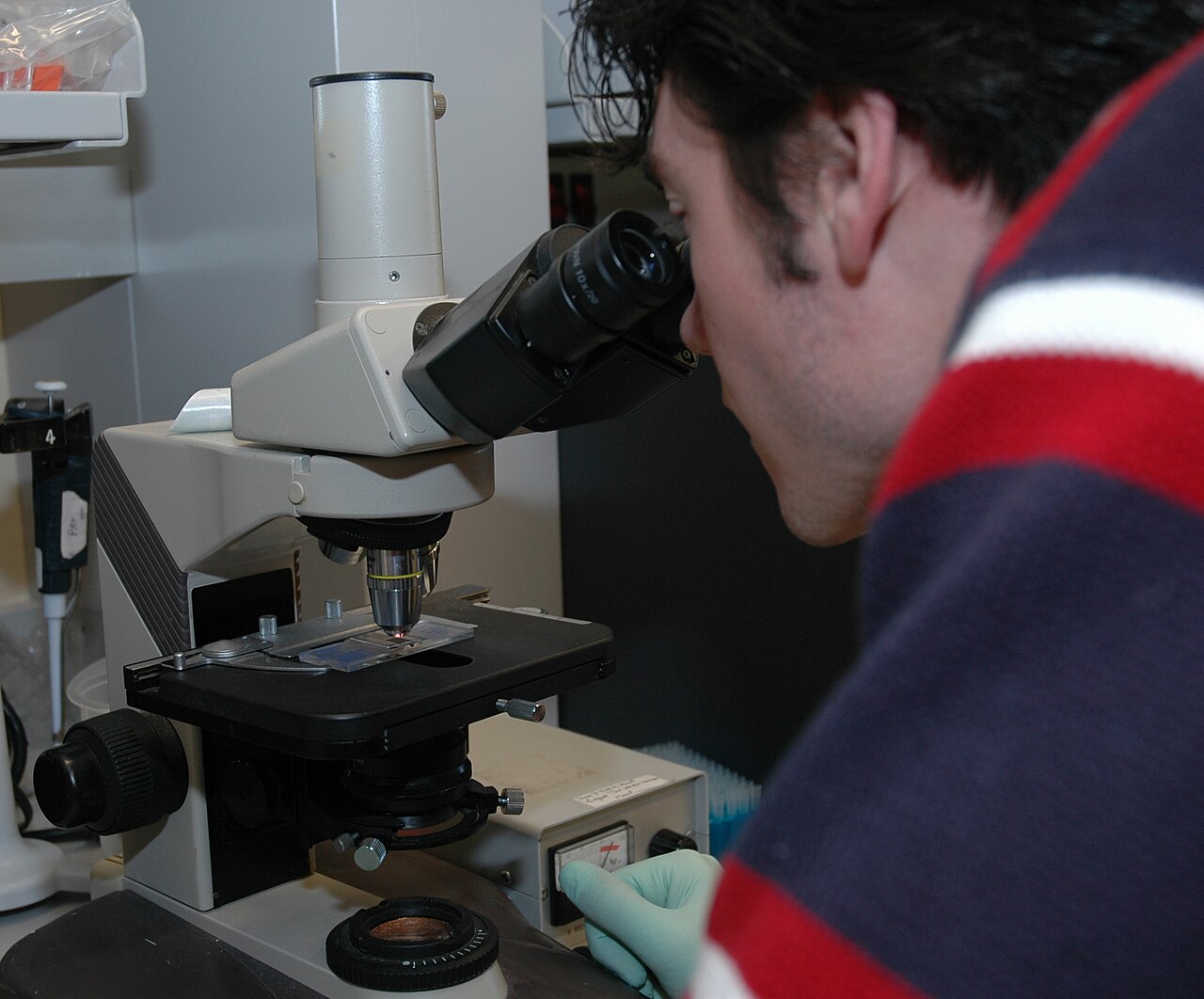
Biochemistry cannot be learned from textbooks alone. The ability to design experiments, operate equipment, record results, and evaluate data is essential preparation for scientific work. Essex states that students can access teaching laboratories, protein crystallisation robots, and cell imaging microscopes. The final-year project also provides an opportunity to work alongside academics and research students in shared laboratories.
Teaching combines lectures, laboratory work, assignments, and individual and group projects. This approach helps students develop technical capability alongside transferable skills such as critical thinking, scientific communication, time management, and teamwork.
Placement Year and International Experience
Essex offers an optional placement year, allowing students to gain professional experience with an external company or organisation. The University lists previous placements with organisations including GSK, AstraZeneca, Thermo Fisher, Genzyme, Reckitt Benckiser, and P&G. A placement option does not guarantee a position; students should expect to prepare applications and complete a competitive selection process.
Students may also choose a year abroad at a partner university. International experience can broaden academic perspectives, demonstrate adaptability, and strengthen cross-cultural communication. Both routes are worth considering if you want to build a career-ready international profile.
Career Opportunities with a Biochemistry Degree
Biochemical knowledge can be applied across many sectors. Career guidance from Prospects and the Biochemical Society highlights pathways such as:
- Research scientist in a university, research institute, pharmaceutical company, or biotechnology business;
- Biotechnologist developing products or processes using organisms and biomolecules;
- Analytical or laboratory scientist testing the composition, quality, and safety of samples;
- Clinical research associate supporting the delivery of clinical studies;
- Pharmacology and drug discovery, investigating interactions between medicines and biological systems;
- Bioinformatics and genomics, analysing protein, genetic, and molecular data;
- Forensic, food, agricultural, and environmental science;
- Science communication, scientific publishing, education, or technical sales.
Some clinical and regulated positions require additional accreditation or training, while advanced academic research and university lecturing commonly require postgraduate study. Your choice of modules, research topic, and work experience should therefore reflect your intended career direction.
Why Choose the University of Essex for Biochemistry?
- A relevant curriculum: the combination of chemistry, molecular biology, genomics, protein science, and bioinformatics reflects the interdisciplinary nature of modern biochemistry.
- Research-led learning: the final-year project trains students to define a question, design an experimental approach, analyse data, and present results in a scientific format.
- Specialist facilities: access to protein crystallisation and cell imaging technologies supports the study of biomolecular structure and function.
- Placement and study-abroad options: students can extend their professional or international experience.
- Employability development: the course includes opportunities to strengthen communication, analysis, and experience with employer-led projects.
How to Prepare Your Application
Begin by developing strong academic results, particularly in the science subjects required for your chosen entry year. Prepare evidence of English-language proficiency in line with the University's requirements. In your personal statement, explain what interests you about molecular processes, identify relevant study or project experience, and describe the contribution you hope to make through biochemistry.
Always confirm entry requirements, tuition fees, start dates, and immigration rules through official sources because these can change. Do not choose a university based on rankings alone. Compare modules, assessment methods, facilities, location, living costs, and access to practical experience.
Frequently Asked Questions
How long is the BSc Biochemistry at Essex?
The standard full-time programme takes three years. It may take four years if you choose a placement year or year abroad.
Is the degree only suitable for future researchers?
No. In addition to research, graduates may explore biotechnology, pharmaceuticals, laboratory analysis, food and environmental science, scientific communication, education, and business functions that require scientific knowledge.
Does the programme include laboratory work?
Yes. Essex combines lectures with laboratory practicals, assignments, and projects. Students also complete an individual research project in the final year.
Is a placement available?
Students can choose a pathway that includes a placement year. Positions are competitive and generally require a separate application and selection process.
Plan Your Biochemistry Studies with RIM Education
Choosing a degree and university involves more than finding an appealing course title. Your interests, academic profile, career plans, budget, and application requirements all need to align.
Interested in studying Biochemistry at the University of Essex, or comparing it with other UK universities? Discuss programme options, entry requirements, application documents, and your study plan with the RIM Education team. Contact RIM Education to start your consultation.
Sources: University of Essex—BSc (Hons) Biochemistry, Prospects—What can I do with a Biochemistry degree?, and Biochemical Society—Careers and Education. Programme information may change; always check official sources before applying.